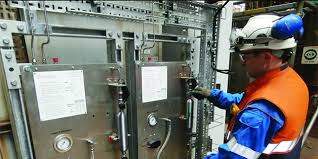
PROCESS ANALYZER SAMPLING SYSTEM (PASS) TRAINING
Course Overview
The Process Analyzer Sampling System (PASS) Training is a practical, engineer-focused 5-day intensive program designed to equip professionals with the knowledge, engineering principles, troubleshooting techniques, and industry best practices required to design, optimize, maintain, and troubleshoot analyzer sampling systems used in modern industrial facilities.
Process analyzer sampling systems play a critical role in ensuring accurate, reliable, and safe process measurements across refineries, petrochemical plants, gas processing facilities, LNG plants, power generation stations, pharmaceutical industries, and manufacturing operations.
This training provides participants with deep technical understanding of the five critical components of analyzer sampling systems:
-
Sample Extraction
-
Field Preconditioning
-
Sample Conditioning
-
Calibration Switching
-
Sample Disposal
Participants will learn how to engineer reliable sampling systems, reduce analyzer downtime, improve process accuracy, diagnose system failures, and apply international industry standards and best practices to real-world operating environments.
The course combines:
Course Objectives
By the end of this training, participants will be able to:
-
Understand the architecture and functionality of process analyzer sampling systems
-
Design efficient and maintainable sampling systems
-
Apply engineering principles to analyzer system design
-
Interpret analyzer system P&IDs and drawings
-
Select appropriate sampling system components
-
Optimize sample transport and conditioning systems
-
Troubleshoot common analyzer sampling system problems
-
Improve analyzer reliability and measurement accuracy
-
Apply industry standards and best engineering practices
-
Reduce maintenance costs and operational downtime
-
Identify root causes of analyzer system performance failures
-
Apply practical field troubleshooting methodologies
What You Will Learn
Analyzer Sampling System Fundamentals
-
Principles of process analyzers
-
Importance of representative sampling
-
Measurement accuracy and reliability
-
Analyzer system architecture
-
Common analyzer technologies
Sample Extraction Systems
Field Preconditioning
Sample Conditioning Systems
Calibration & Validation Systems
Sample Disposal Systems
Engineering & Design
-
Analyzer system design methodology
-
P&ID interpretation
-
System calculations
-
Tubing and material selection
-
Reliability-centered design
Troubleshooting & Optimization
-
Root cause analysis
-
Common sampling system failures
-
Analyzer lag troubleshooting
-
Moisture contamination issues
-
Pressure instability
-
Reliability improvement strategies
Course Highlights
-
Practical hands-on engineering approach
-
Real industrial case studies
-
Industry-focused troubleshooting exercises
-
Engineering calculations and design examples
-
P&ID interpretation sessions
-
International standards and best practices
-
Real-world analyzer reliability improvement strategies
-
Exposure to modern analyzer system engineering techniques
Who Should Attend
This course is ideal for:
Industries Covered
Training Methodology
The course delivery includes:
-
Instructor-led sessions
-
Engineering workshops
-
Practical case studies
-
Interactive troubleshooting sessions
-
Group discussions
-
Design exercises
-
P&ID interpretation activities
-
Real industrial scenarios
Key Benefits
Participants will learn how to:
-
Improve analyzer reliability
-
Reduce maintenance downtime
-
Improve process measurement accuracy
-
Increase operational efficiency
-
Enhance safety and compliance
-
Apply industry best practices
-
Troubleshoot analyzer system failures effectively
-
Design maintainable and efficient sampling systems
Course Duration
5 Days Intensive Training
For enquiries:
📧 training@hpigroup.com.ng
📧 info@hpilgroup.com.ng
📞 +234 815 970 3439
📞 +234 803 280 9832
Website:
https://hpigroup.com.ng